
Veranstaltungskalender
In unserem Kalender finden Sie unser Programm auf einen Blick. Bitte beachten Sie, dass manche Veranstaltungen digital stattfinden.
Das RJM bietet viele verschiedene Veranstaltungsformate an: Von Erzählcafés und Filmreihen über kreative Workshops und Tanzperformances bis zu Gesprächen mit Kurator*innen und spannenden Podiumsdiskussionen zu aktuellen Themen.
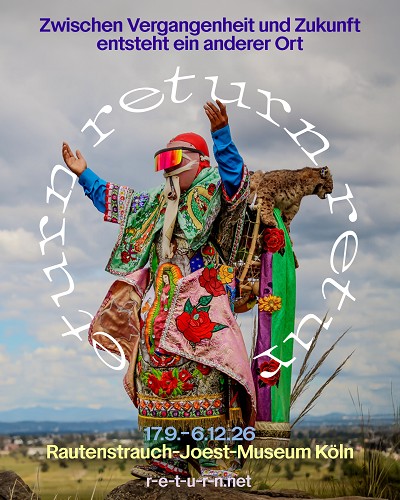
Vortrag
Sensing Loss: Uni Köln goes r e t u r n: 60 Minutes AnthroLab!
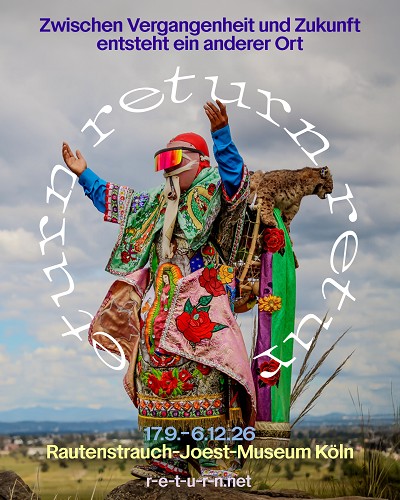
Gespräch
Walk & Talk return
Gespräch
Walk & Talk return
Vortrag
Sensing Loss: Uni Köln goes r e t u r n: 60 Minutes AnthroLab!
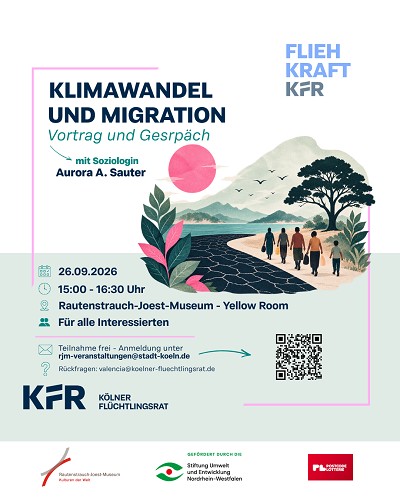
Vortrag
Klimawandel und Migration
Vortrag
Sensing Loss: Uni Köln goes r e t u r n: 60 Minutes AnthroLab!
Vortrag
Sensing Loss: Uni Köln goes r e t u r n: 60 Minutes AnthroLab!
Gespräch
Walk & Talk return
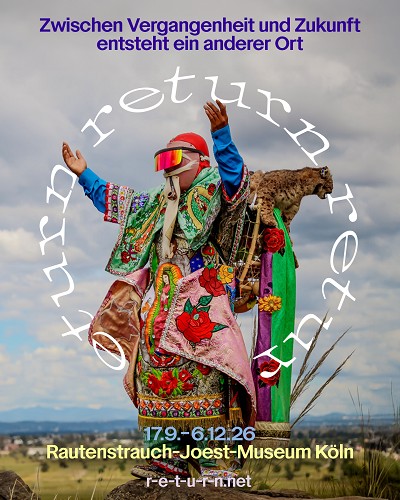
Gespräch
Insiderführung return
Vortrag
Sensing Loss: Uni Köln goes r e t u r n: 60 Minutes AnthroLab!
Vortrag
Sensing Loss: Uni Köln goes r e t u r n: 60 Minutes AnthroLab!
Lesung
Bellende Katzen und andere Entdeckungen in der indonesischen Literatur
Vortrag
Sensing Loss: Uni Köln goes r e t u r n: 60 Minutes AnthroLab!
Gespräch
Walk & Talk return
Vortrag
Sensing Loss: Uni Köln goes r e t u r n: 60 Minutes AnthroLab!
Gespräch
Walk & Talk return
Gespräch
Walk & Talk return
Vortrag
Sensing Loss: Uni Köln goes r e t u r n: 60 Minutes AnthroLab!
Vortrag
Sensing Loss: Uni Köln goes r e t u r n: 60 Minutes AnthroLab!
Vortrag
Sensing Loss: Uni Köln goes r e t u r n: 60 Minutes AnthroLab!
Gespräch
Walk & Talk return
Gespräch